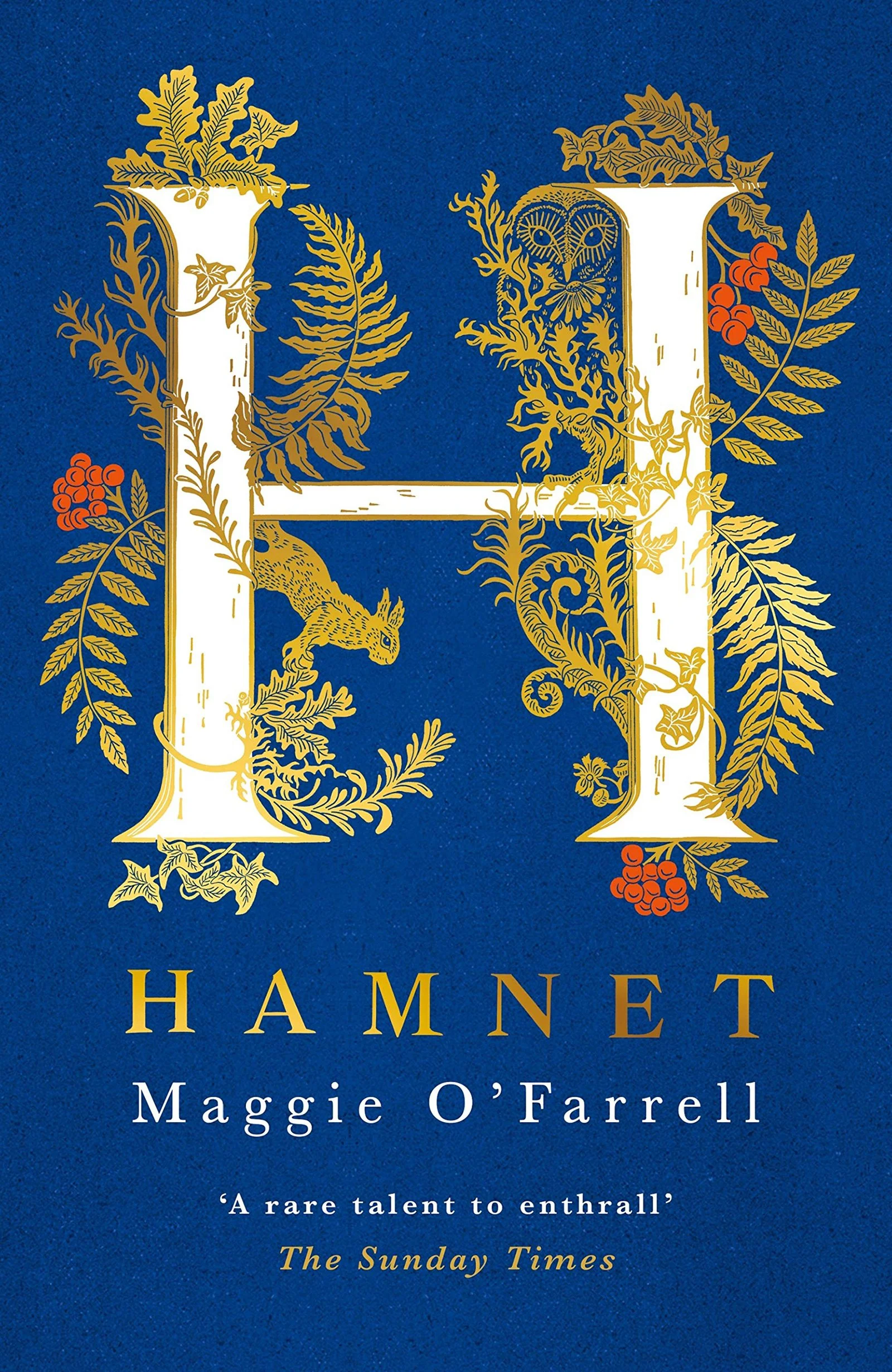
Hamnet
Description via The StoryGraph:
England, 1580: The Black Death creeps across the land, an ever-present threat, infecting healthy and sick, old and young alike. The end of days is near, but life always goes on.

Sula
Description via The StoryGraph:
Two girls who grow up to become women. Two friends who become something worse than enemies. In this brilliantly imagined novel, Toni Morrison tells the story of Nel Wright and Sula Peace, who meet as children in the small town of Medallion, Ohio. Their devotion is fierce enough to withstand bullies and the burden of a dreadful secret. It endures even after Nel has grown up to be a pillar of the black community and Sula has become a pariah. But their friendship ends in an unforgivable betrayal--or does it end? Terrifying, comic, ribald and tragic, Sula is a work that overflows with life.
You can't go wrong by reading or re-reading the collected works of Toni Morrison. Beloved, Song of Solomon, The Bluest Eye, Sula, everything else -- they're transcendent, all of them. You'll be glad you read them.--Barack Obama
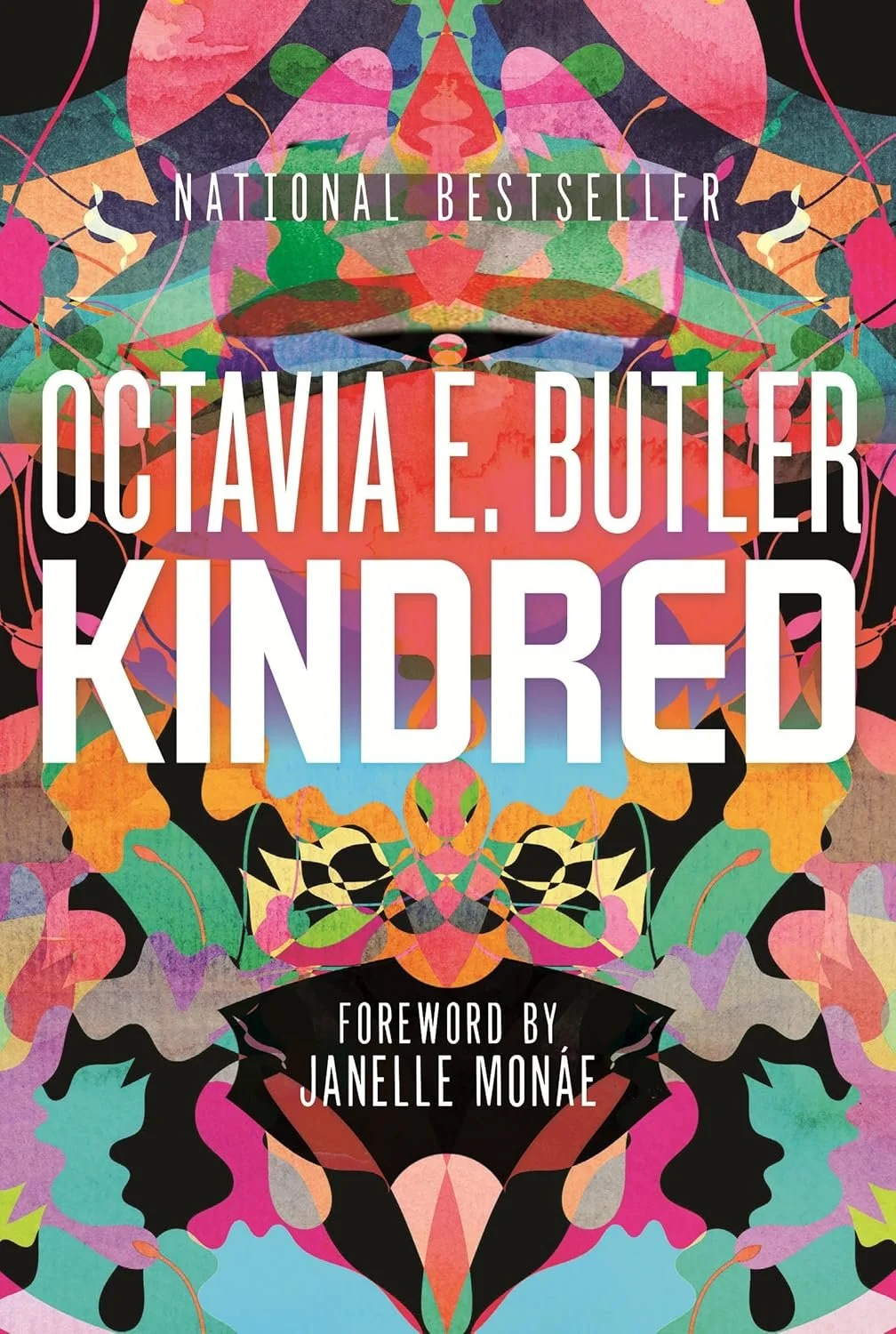
Kindred
Description via The StoryGraph:
The visionary time-travel classic whose Black female hero is pulled through time to face the horrors of American slavery and explores the impacts of racism, sexism, and white supremacy then and now.
“I lost an arm on my last trip home. My left arm.”
Dana’s torment begins when she suddenly vanishes on her 26th birthday from California, 1976, and is dragged through time to antebellum Maryland to rescue a boy named Rufus, heir to a slaveowner’s plantation. She soon realizes the purpose of her summons to the past: protect Rufus to ensure his assault of her Black ancestor so that she may one day be born. As she endures the traumas of slavery and the soul-crushing normalization of savagery, Dana fights to keep her autonomy and return to the present.
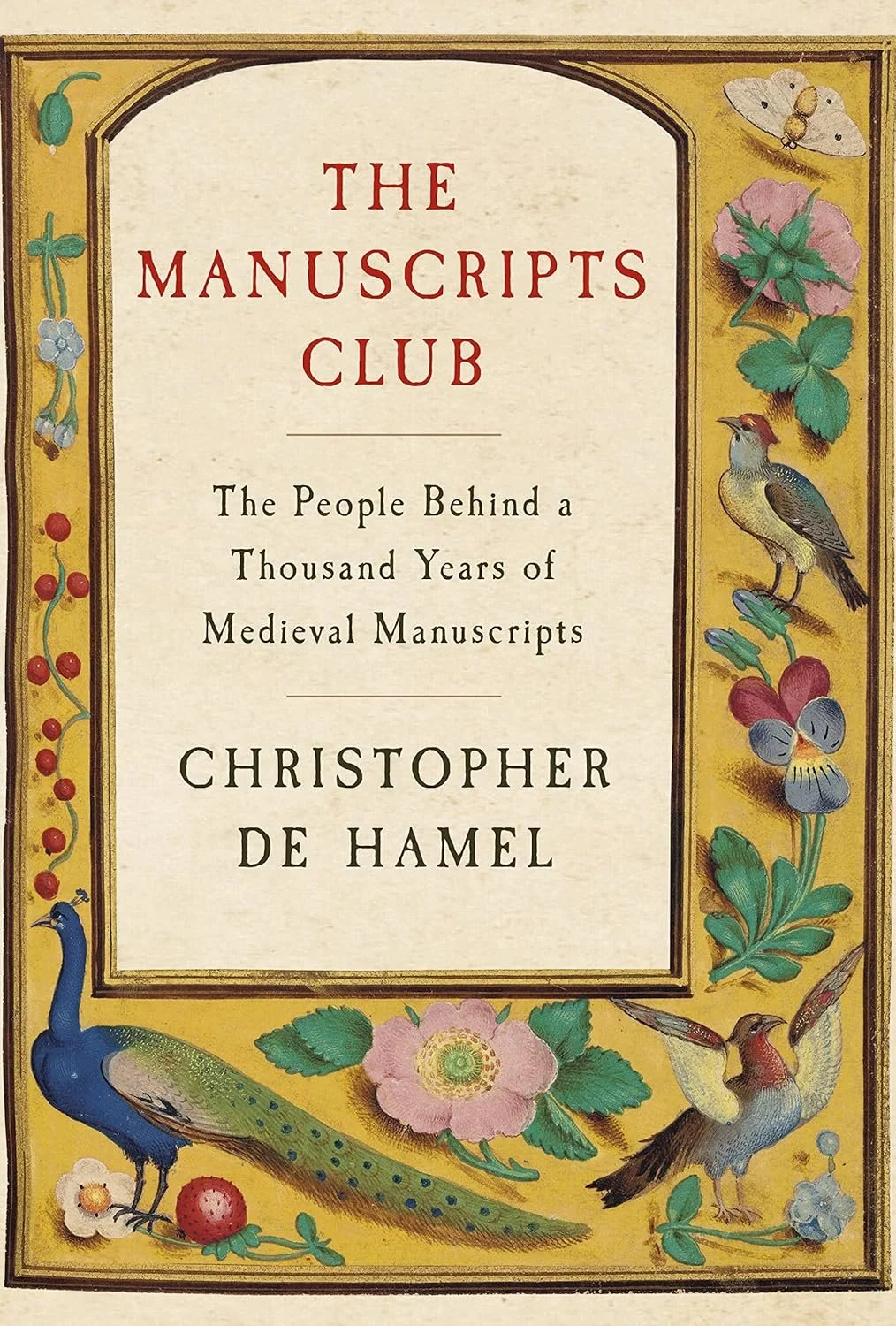
The Manuscripts Club
Description via The StoryGraph:
Christopher de Hamel takes us into in their homes and workplaces, from the monasteries and synagogues of Normandy and Moravia to the universities of Germany and the museums of America, to chart a kinship of minds and to peer into these extraordinary lives among manuscripts. In the pages of his book, remarkable manuscripts tumble through the centuries, connecting a French prince and a Greek peasant and a Black curator.
This is a story about society and manuscripts, what manuscripts do for people, and why they mattered and still matter to us. As much as it is a story about transcendent human connection, it is also a story of greed, discovery and disaster. The Manuscripts Club celebrates the most treasured books ever made and their enduring hold on our imaginations.
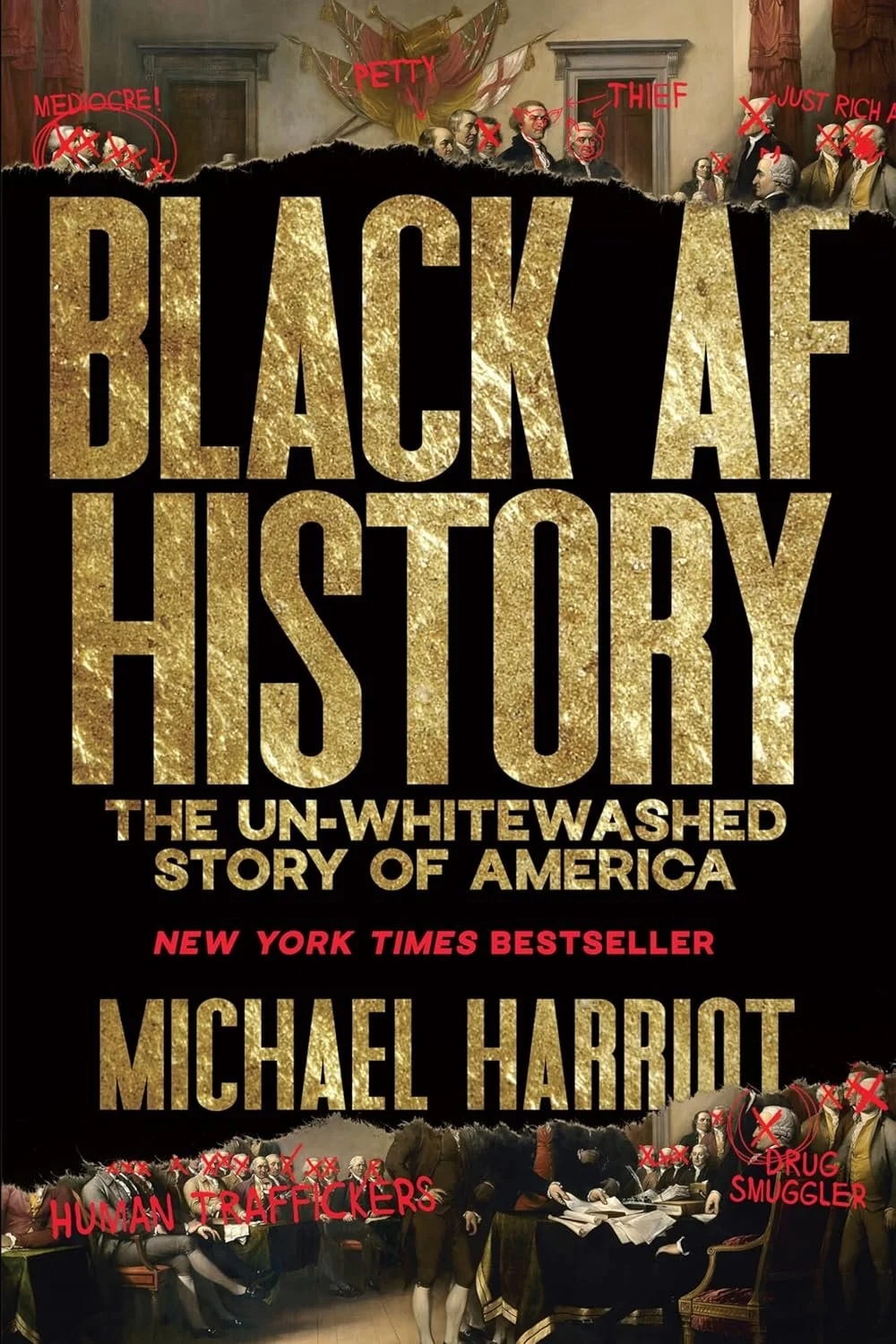
Black AF History
Description via The StoryGraph:
From acclaimed columnist and political commentator Michael Harriot, a searingly smart and bitingly hilarious retelling of American history that corrects the record and showcases the perspectives and experiences of Black Americans.
America’s backstory is a whitewashed mythology implanted in our collective memory. It is the story of the pilgrims on the Mayflower building a new nation. It is George Washington’s cherry tree and Abraham Lincoln’s log cabin. It is the fantastic tale of slaves that spontaneously teleported themselves here with nothing but strong backs and negro spirituals. It is a sugarcoated legend based on an almost true story.
It should come as no surprise that the dominant narrative of American history is blighted with errors and oversights—after all, history books were written by white men with their perspectives at the forefront. It could even be said that the devaluation and erasure of the Black experience is as American as apple pie.
In Black AF History, Michael Harriot presents a more accurate version of American history. Combining unapologetically provocative storytelling with meticulous research based on primary sources as well as the work of pioneering Black historians, scholars, and journalists, Harriot removes the white sugarcoating from the American story, placing Black people squarely at the center. With incisive wit, Harriot speaks hilarious truth to oppressive power, subverting conventional historical narratives with little-known stories about the experiences of Black Americans. From the African Americans who arrived before 1619 to the unenslavable bandit who inspired America’s first police force, this long overdue corrective provides a revealing look into our past that is as urgent as it is necessary. For too long, we have refused to acknowledge that American history is white history. Not this one. This history is Black AF.
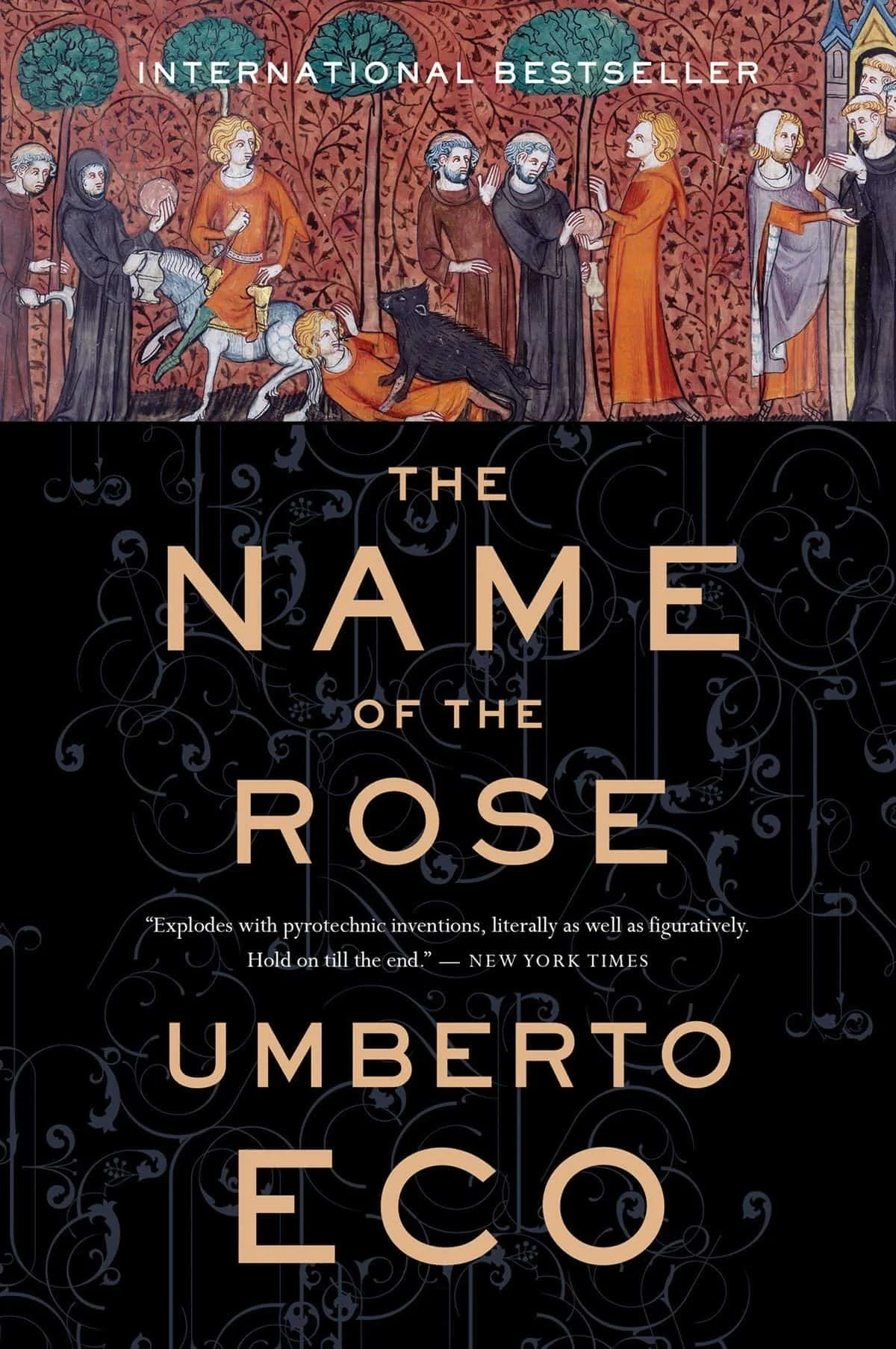
The Name of the Rose
Description via The StoryGraph:
The year is 1327. Benedictines in a wealthy Italian abbey are suspected of heresy, and Brother William of Baskerville arrives to investigate. When his delicate mission is suddenly overshadowed by seven bizarre deaths, Brother William turns detective. His tools are the logic of Aristotle, the theology of Aquinas, the empirical insights of Roger Bacon—all sharpened to a glistening edge by wry humor and a ferocious curiosity. He collects evidence, deciphers secret symbols and coded manuscripts, and digs into the eerie labyrinth of the abbey, where "the most interesting things happen at night."